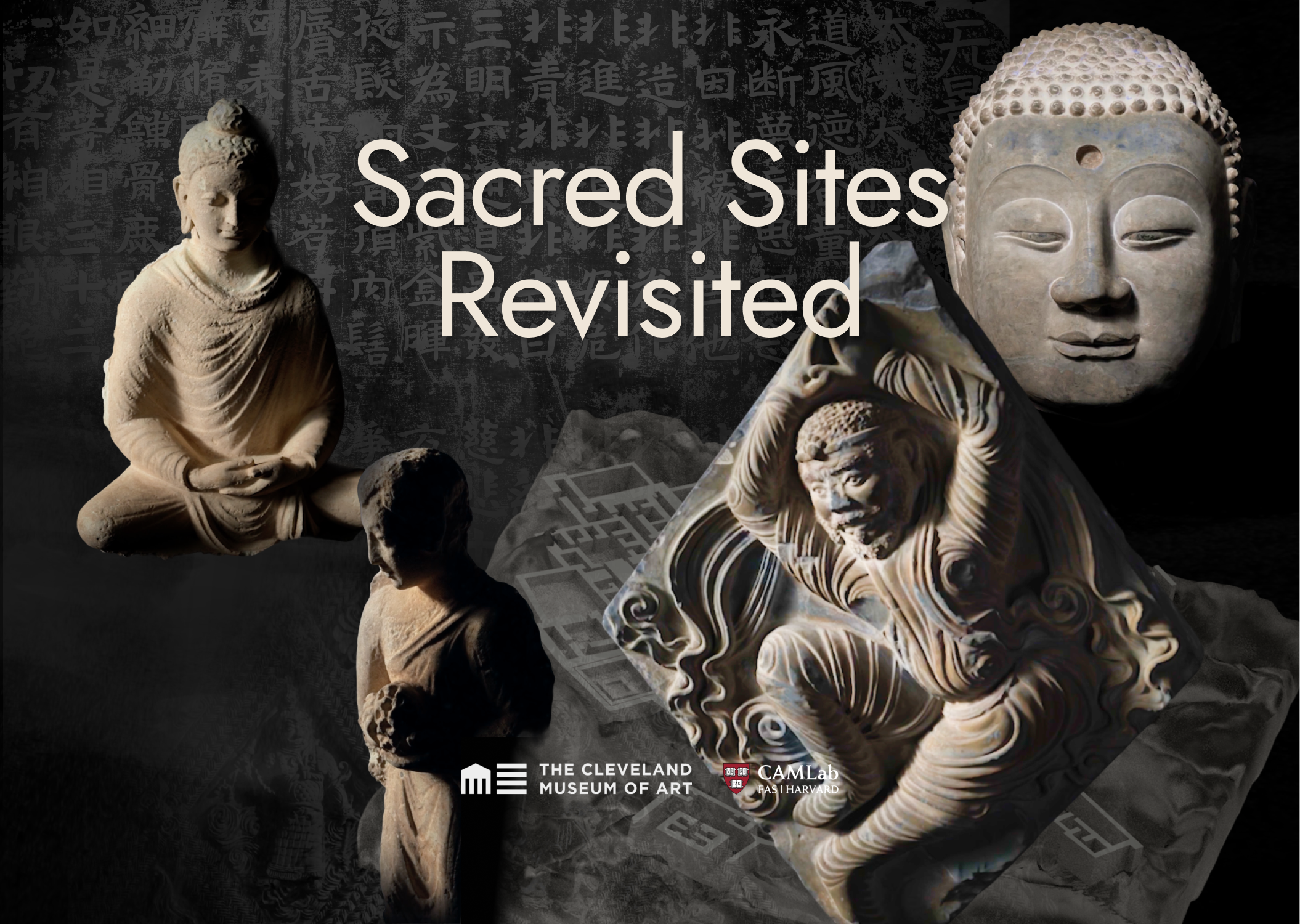
Sacred Sites Revisited is a series of collaborative digital installations presented by Harvard FAS CAMLab and the Cleveland Museum of Art (CMA). Through interdisciplinary research and digital reconstruction, the project reconnects artworks from the CMA collection with the architectural, ritual, and cultural milieu for which they were originally created.
Across three sites in Asia, visitors encounter monasteries, pagodas, and cave temples that once functioned as pilgrimage, ritual and sacred spaces. Sculptures and architectural fragments are digitally re-situated within immersive environments constituted through sensory, bodily, and spatial engagement.
Building on the collective expertise in research, curatorial, and immersive storytelling expertise of CAMLab and CMA, Sacred Sites Revisited proposes a new approach to cultural heritage interpretation—transforming the museum encounter into a portal through which scattered historical memories, fragmentary artifacts, and lost environments may be brought into renewed experiential relation.
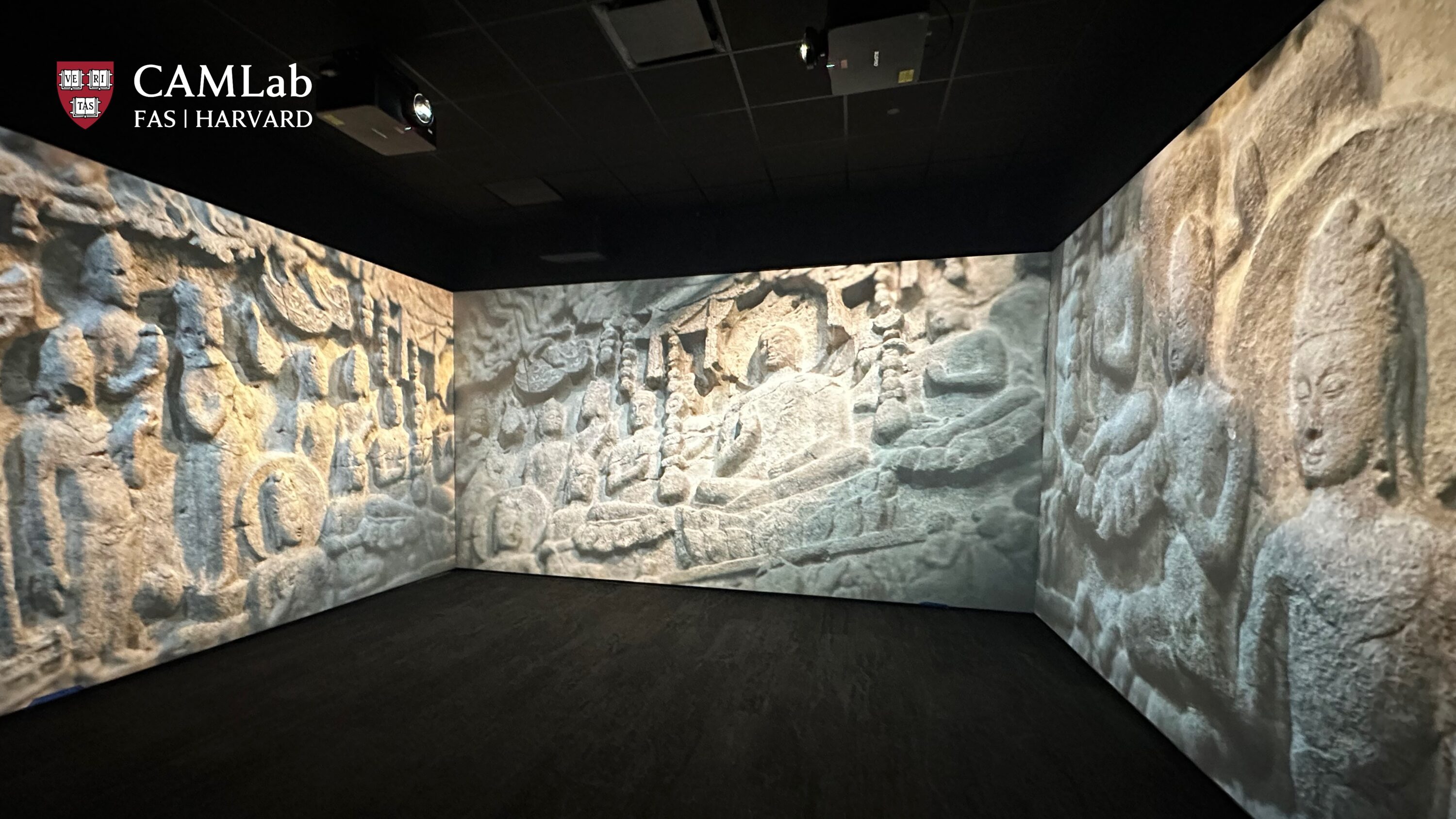
In recent years, scholarly research has revealed new insights into the original spatial contexts, historical backgrounds, and cultural meanings of heritages and artifacts. Yet these discoveries are often obscure and remain distant from public experience.
Rooted in CAMLab’s research and CMA’s collections, Sacred Sites Revisited breaks through this barrier, transforming scholarly discoveries into visible, audible, and explorable experiences. A sculpture is encountered within the monastery where it once stood; an architectural fragment is reunited with the larger structure of which it was once a part. Experiencing these objects within their original settings allows visitors to move beyond mere observation and engage imagination and empathy as tools for understanding the past. In this way, the installation opens new pathways between academic research and museum audiences.
For centuries, museums have borne the vital mission of preserving and presenting humanity’s greatest artistic heritage. Traditional exhibition approaches have generally followed two paths: the “White Cube,” which places artworks within pristine display spaces as autonomous objects of aesthetic contemplation; and the more recent “Black Box,” which employs digital media and immersive technologies to create intense sensory experiences, yet risks overshadowing the artifacts it presents at the expense of curatorial integrity and historical narrative.
Sacred Sites Revisited seeks a possibility beyond the two models—rather than merely replicating the physical forms, digital reconstruction helps reveal relationships that are otherwise difficult to see: connections between sculpture and architecture, between ritual practice and physical space, and between local traditions and wider networks of cultural exchange.
At its core, Sacred Sites Revisited situates works of art back within the historical and cultural settings that originally shaped their meaning. Objects now dispersed across museums are reconnected with their original sites, while archaeological remains long silent are reanimated through digital reconstruction. In doing so, this project invites audiences to engage with a shared cultural heritage that spans centuries and extends across Eurasia.
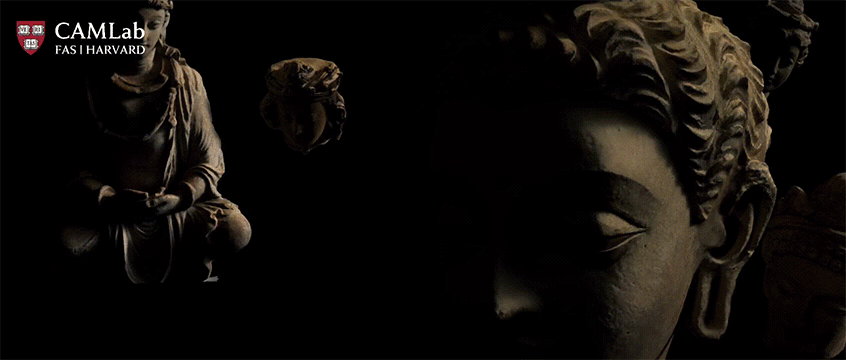
This installation reconnects CMA’s Hadda sculptures with their original historical environment—the Hadda region in present-day Afghanistan, once one of the great centers of Gandharan Buddhist art. Following the journey of the Chinese monk Xuanzang, visitors will enter a landscape shaped by centuries of intercultural exchange between South Asia, Central Asia, and the Mediterranean world, where Greco-Roman and Indian artistic traditions came together in distinctive new forms.
This installation emerges from CAMLab’s ongoing Digital Gandhara project, dedicated to documenting, researching, and preserving the Buddhist cultural heritage of Afghanistan and Pakistan. In partnership with museums and scholars across the region, the project has completed digital reconstructions of multiple monastic sites, collected and processed 3D models of over one hundred artifacts from the Peshawar Museum in Pakistan, and is developing a scholarly catalogue ofBuddha life narratives while continuing to expand the public online platform (digitalgandhara.com). Drawing upon these research foundations, the Hadda installation employs digital technologies to place CMA’s sculptures back within the landscape of monasteries, stupas, and pilgrimage routes that once connected Gandhara to the wider Buddhist world.
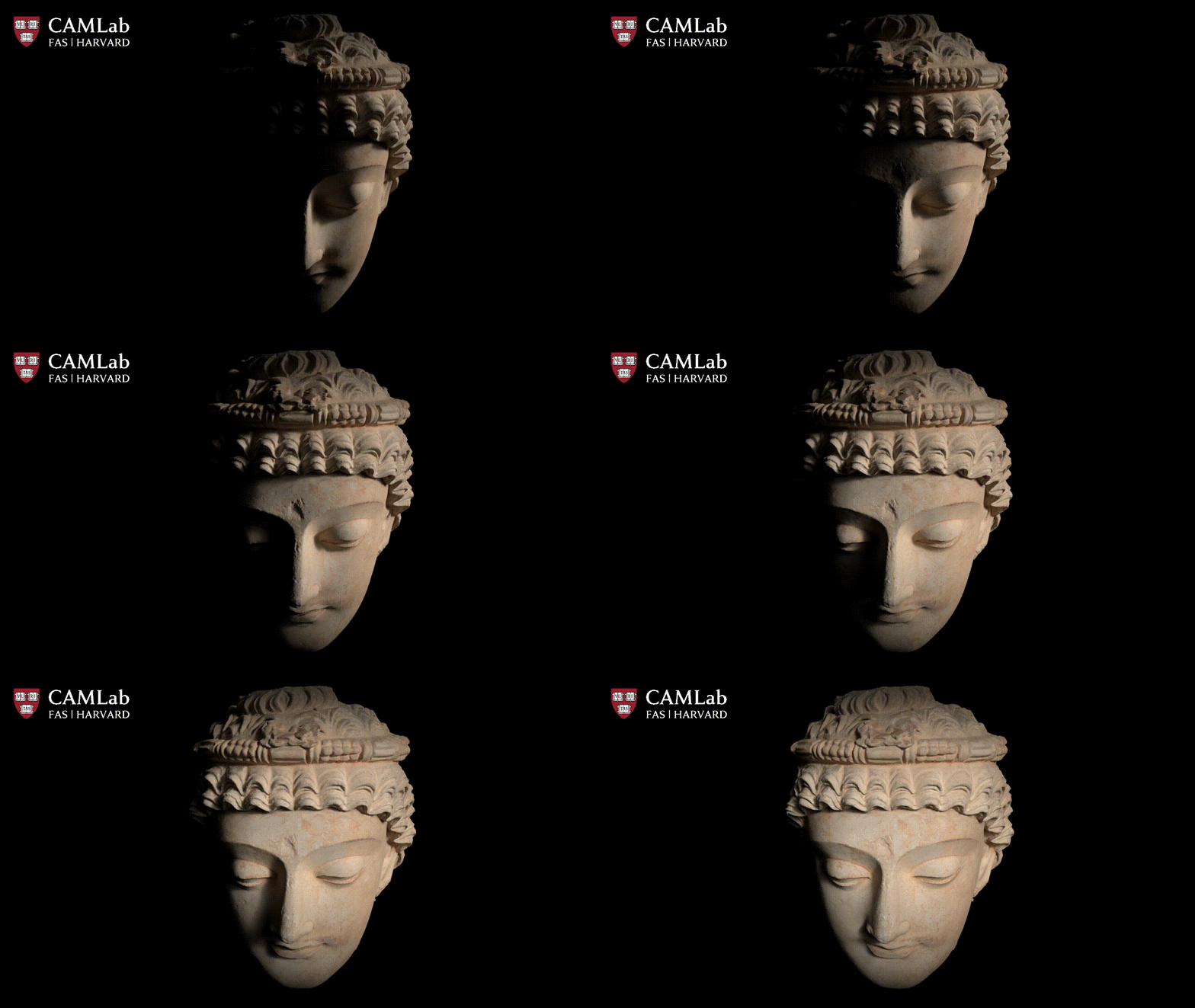
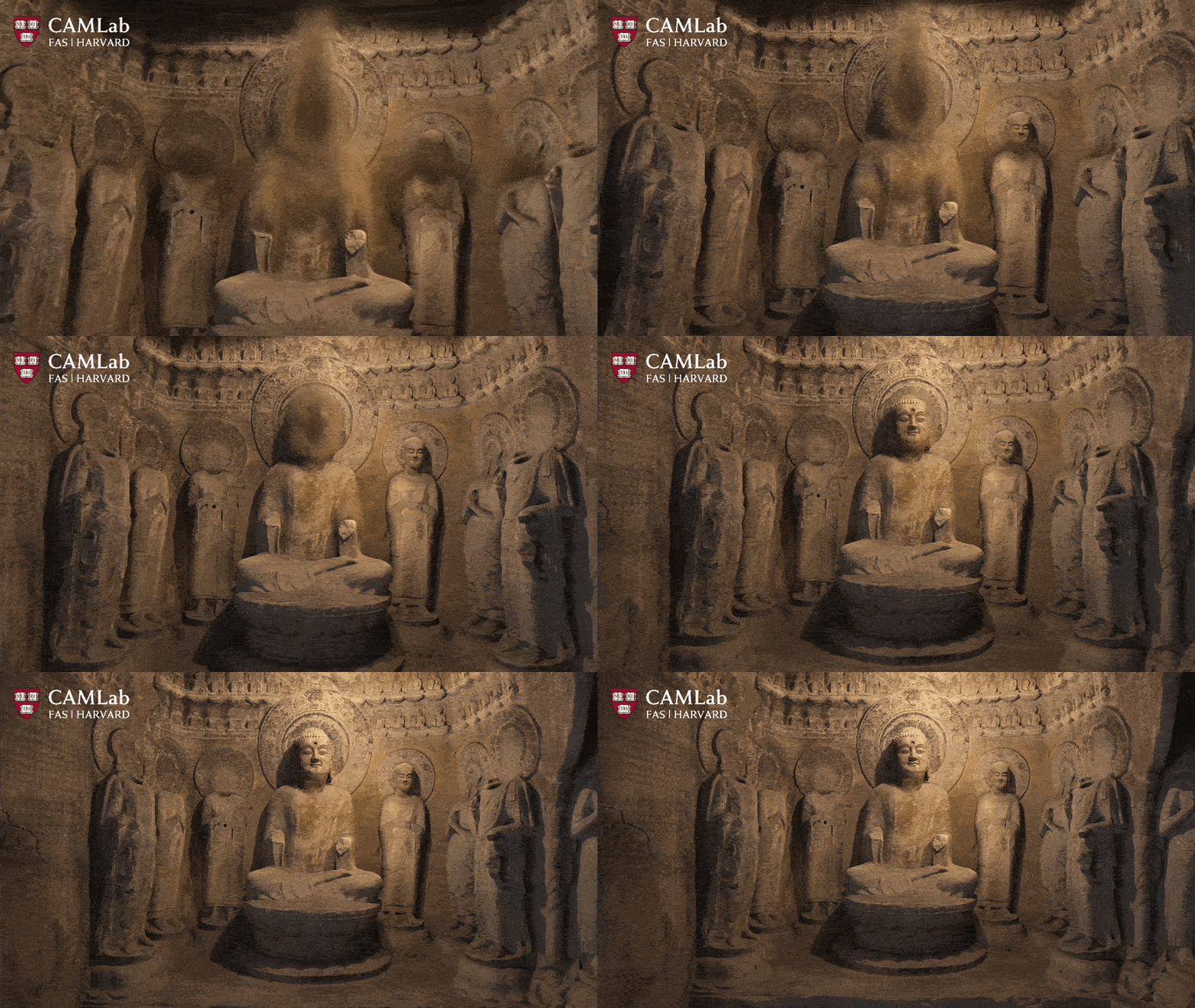
This installation follows a Buddha head in CMA’s collection back to its original setting in the Xiangtangshan cave temples of northern China. It builds upon years of research on the Xiangtangshan caves by an international network of scholars, museums, and cultural institutions, including CAMLab’s recent collaboration with the Xiangtangshan Research Institute.
Since the early twentieth century, sculptures and architectural fragments from Xiangtangshan have been dispersed across collections around the world, including the Cleveland Museum of Art. Drawing on archaeological research, historical photographs, archival records, and digital technologies, the project traces connections between these scattered remains and the caves from which they originated, revealing the integrity of this cultural heritage that now exists across multiple sites, collections, and media.
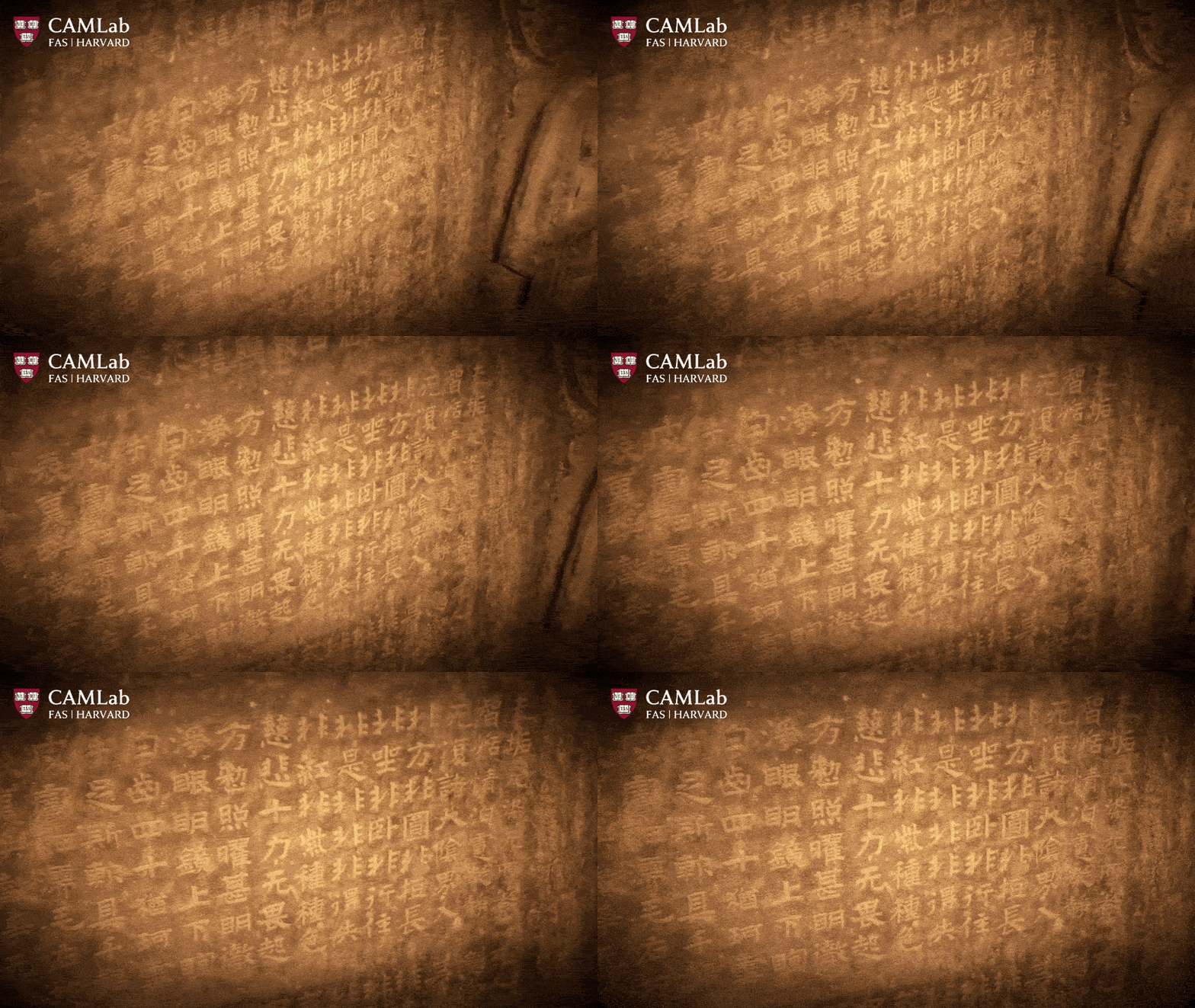
Grounded in the research of former CMA curator Wai-kam Ho and later discoveries, this installation digitally returns CMA’s Buddha head to the cave where it once belonged among carved figures and inscriptions. Visitors are invited into the cave, where architecture, sculpture, and text come together to shape the space of worship and contemplation.

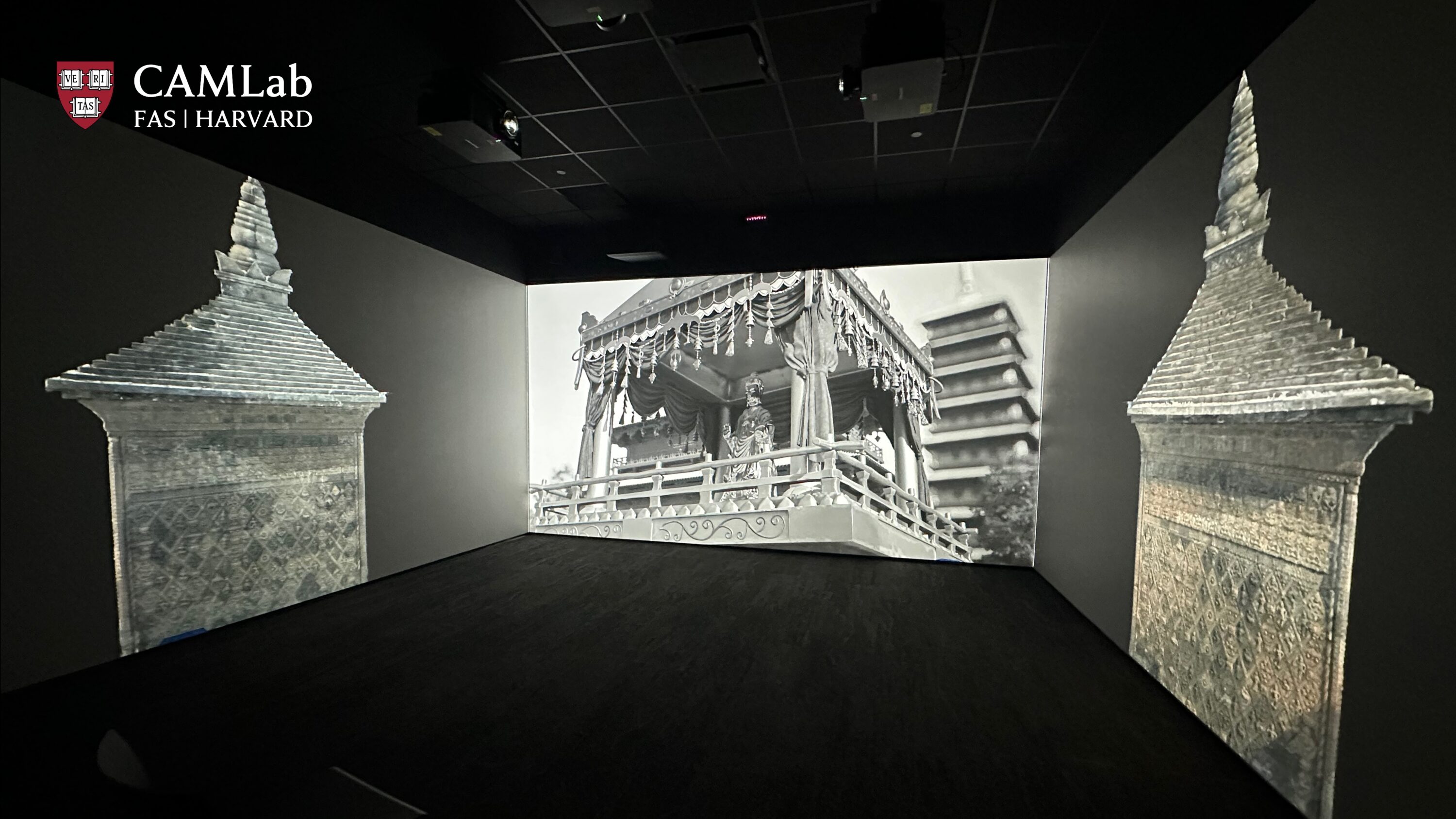
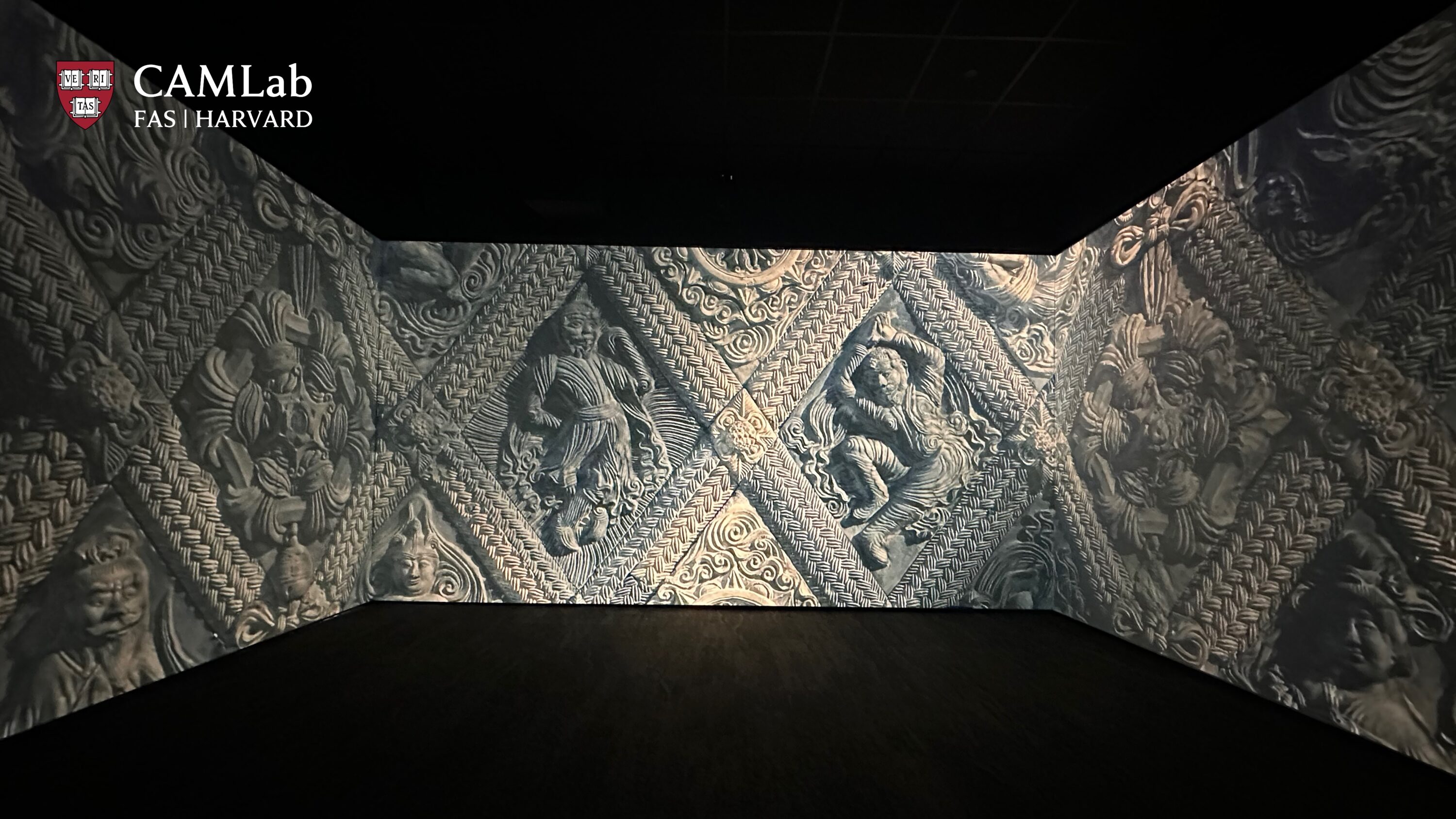
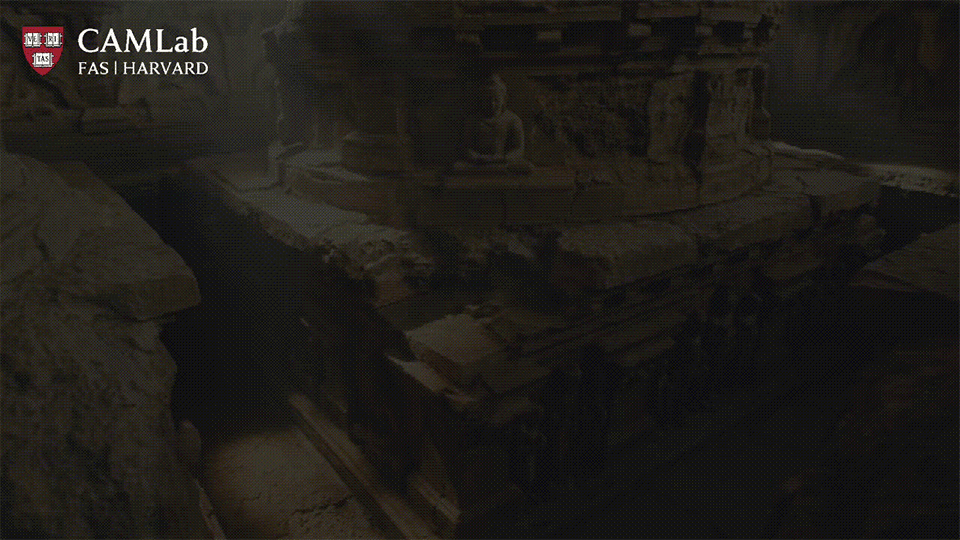
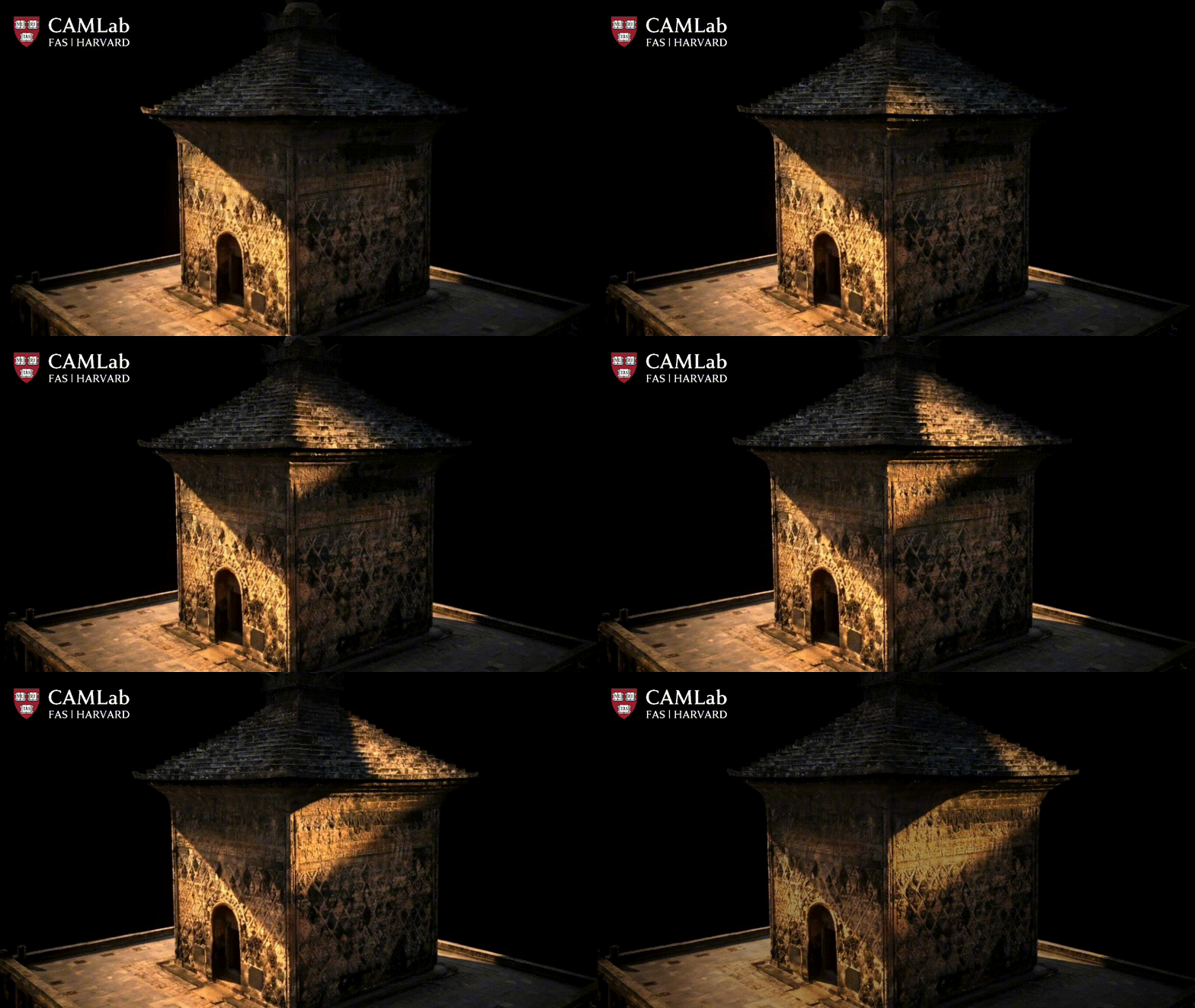
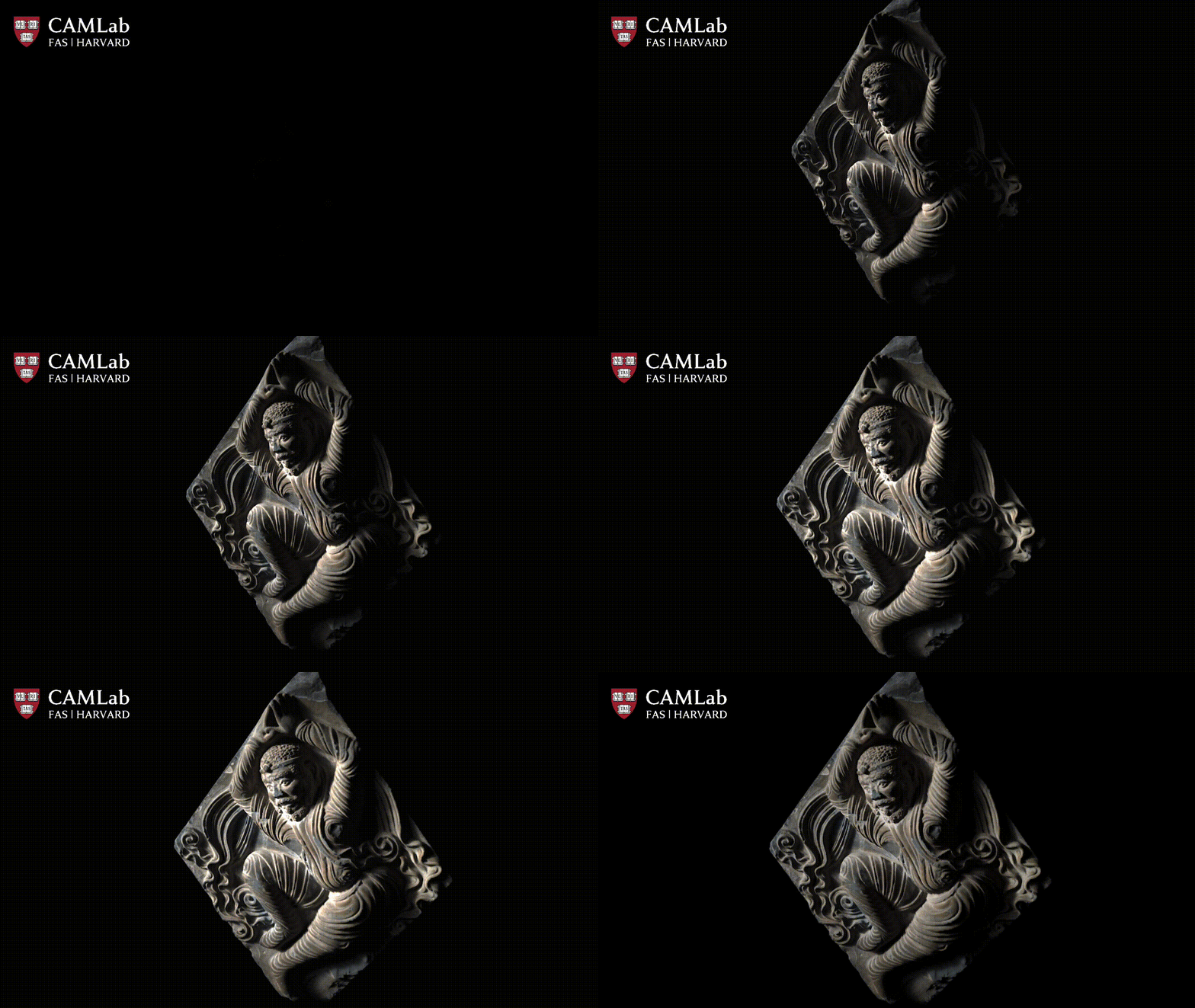
Centered on a molded architectural brick in CMA’s collection, this installation digitally reconstructs the richly decorated pagoda of Xiudingsi Monastery in northern China. As visitors move slowly forward, dancers, musicians, guardians, and mythical creatures gradually emerge along the pagoda’s decorative surface, allowing audiences to experience the ritual scene of ancient devotees circumambulating the pagoda in reverence.
The installation is based on CAMLab’s research on the Xiudingsi Monastery site and its pagoda. Combining archaeological evidence with digital reconstruction, it restores and represents the pagoda’s former majestic appearance, architectural form, and decorative system. Visitors can appreciate the remarkable craftsmanship of the Xiudingsi pagoda brick at close range while exploring the artistic, religious, and cultural exchanges that connected communities across the Silk Roads.
Exhibition Dates:
July 23, 2026 – September 1, 2031
Special Dates:
- VIP Preview Party: Wednesday, July 22, 2026, 5:00–8:30 p.m. [By Invitation Only]
- Members’ Preview Days: Thursday, July 23 – Sunday, July 26, 2026
Public Opening:
Free and open to the public beginning Tuesday, July 28, 2026
Hours:
- Tuesdays, Thursdays, and weekends: 10:00 a.m.–5:00 p.m.
- Wednesdays and Fridays: 10:00 a.m.–9:00 p.m.
- Closed Mondays
(Hours are subject to the Cleveland Museum of Art’s official schedule.)
Location:
001 ArtLens Gallery (Maltz Family Foundation ArtLens Gallery)
The Cleveland Museum of Art
John C. and Susan L. Huntington Photographic Archive of Buddhist and Asian Art at the University of Chicago
Xiangtangshan Grottoes Research Institute
Harvard Art Museums
Victoria and Albert Museum
Peshawar Museum
Special collections, Harvard Fine Arts Library